 Cute Nails
Beauty Without the Overwhelm: Inside a Sensory-Friendly Salon
For many of us, getting a haircut is routine.
But for a child or adult with sensory sensitivities, a salon can be an overwhelming place.
Bright lights. Hair dryers. Clippers. Music. Strong smells. Unfamiliar touch. People moving around. The expectation to sit still while all of this is happening at once.
For some families, something most of us barely think about can become an experience they dread — or avoid altogether.
Brian Lopez believes it doesn't have to be that way.
And he's been doing something about it for over a decade.
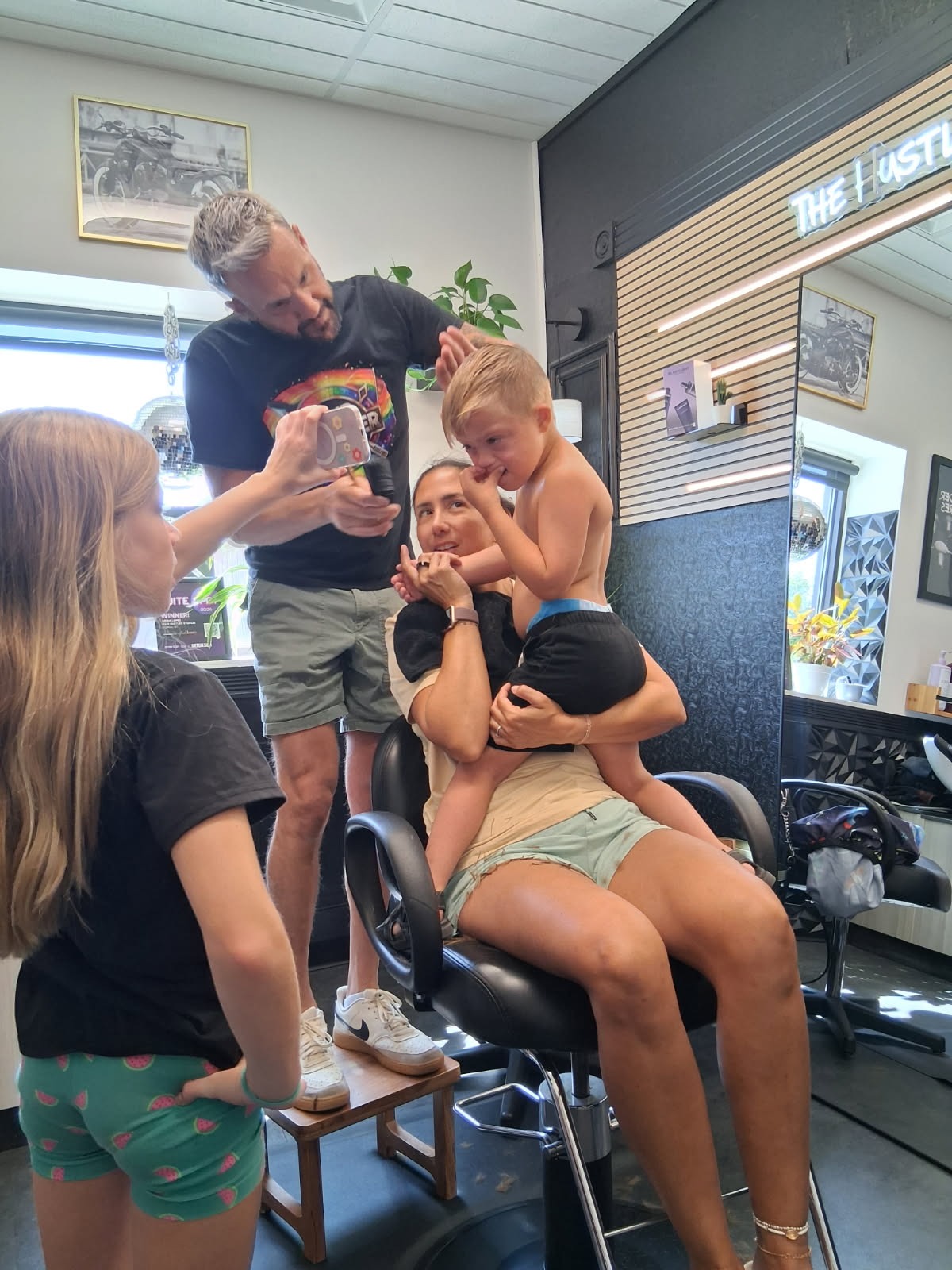
A Career Built Around People Who Are Often Left Out
Brian is the owner and operator of Hair Hustler Studios and the Grand Prize winner of The Suite Spot 2026, a competition presented by American Salon (https://www.americansalon.com/) and American Spa (https://www.americanspa.com/) and sponsored by giveBeauty.
But long before this award, Brian had already built something meaningful.
With over 12 years of experience specializing in color techniques and services designed for clients with unique needs, Brian founded Kutz for a Cause — a program that delivers specialized haircuts and educational resources to individuals with special needs. Over more than a decade of service, Kutz for a Cause has become a recognized community initiative, providing stylist training and fostering connections that go far beyond the chair.
In 2019, Brian was honored as one of Atlantic City Weekly's Top 40 Under 40 for his contributions to the industry and community.
The Suite Spot 2026 award is the latest recognition of a career that has always been about more than hair.
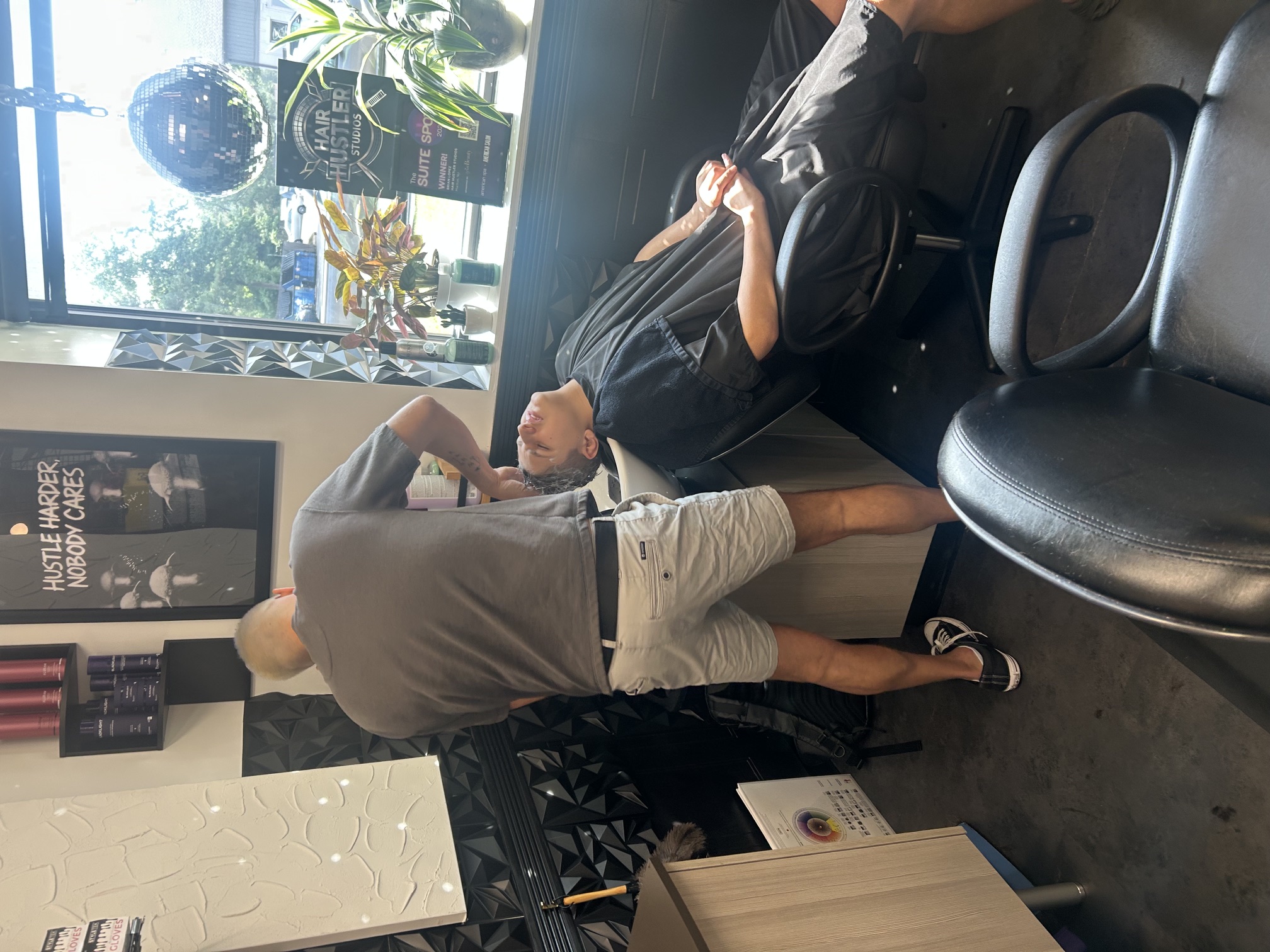
A Salon Designed for People Who Experience the World Differently
Hair Hustler Studios stood out in the Suite Spot competition because it is beautiful. But what moved us most was why Brian designed it the way he did.
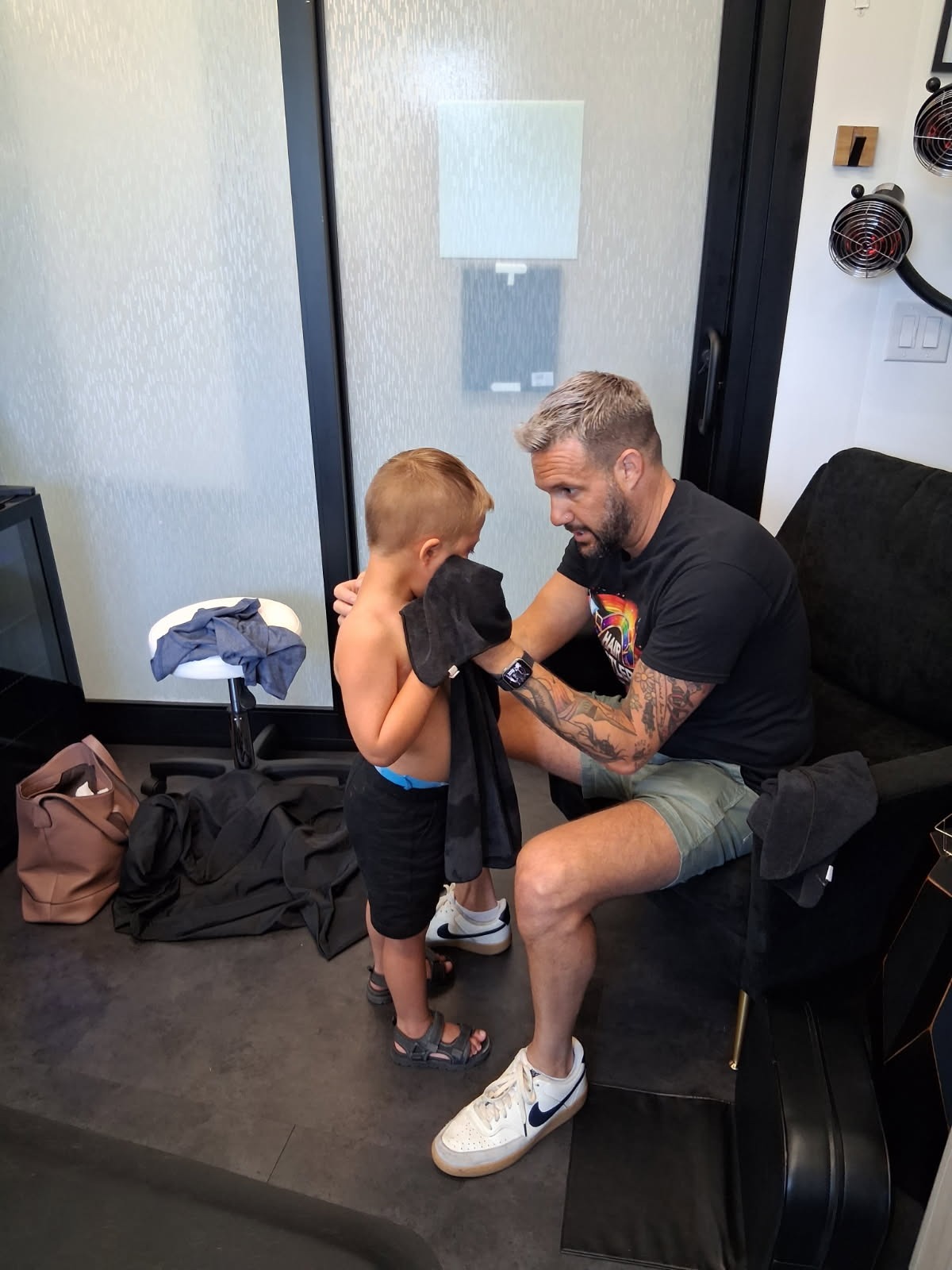
His studio is a sensory-friendly environment — intentionally created to make the experience calmer and more manageable for clients with sensory sensitivities, including members of the special-needs community.
The lighting is softer. The atmosphere is calmer. The experience is approached with patience and deep understanding built over years of working with clients who've struggled to find a professional who truly gets it.
These may sound like small things. To the person who needs them, they aren't.
They can mean the difference between being able to receive a haircut and not being able to have one at all.
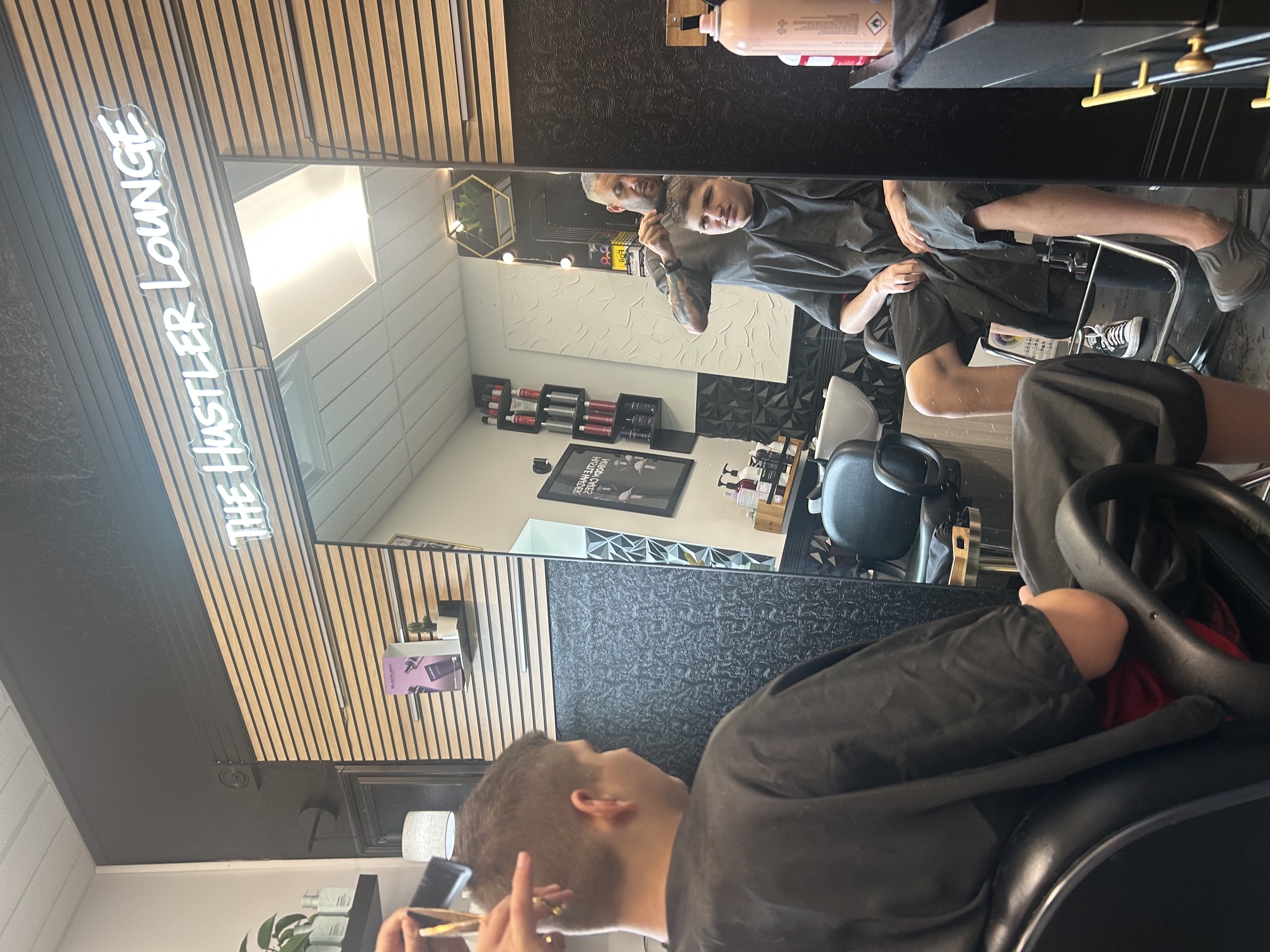
Sometimes Inclusion Is Practical
There is a lot of conversation about inclusion. Brian's approach — and the decade of work behind it — reminds us that some of the most meaningful forms of inclusion can be remarkably practical.
Turn the lights down.
Reduce unnecessary noise.
Allow more time.
Listen to the parent or caregiver.
Don't assume a client who reacts differently is being "difficult."
Be willing to adapt the experience to the person sitting in your chair.
Above all, create an environment in which a family doesn't feel that it needs to apologize for what their child needs.
For parents already navigating a world that isn't always designed around their child's needs, that kind of understanding matters enormously.
What If More Beauty Pros Did This?
Brian's story is about one salon and one barber. But the opportunity is much bigger.
Across the country, children and adults with sensory sensitivities can struggle with experiences most of us take for granted — including getting a haircut or visiting a salon.
Imagine if more hairstylists, barbers, and beauty pros made sensory-friendly care part of the way they work, creating spaces where clients with different needs — and their families — know they will be understood and welcomed.
It doesn't necessarily require redesigning an entire salon. Brian started with intention and education.
Perhaps it's offering a quiet first appointment of the day.
Perhaps it's dimming the lights or turning off the music.
Perhaps it's explaining each step before touching a client.
Perhaps it's allowing a parent or caregiver to visit the space beforehand.
Or perhaps it starts with one simple question: "What would make this experience easier for you?"
Small changes — backed by genuine willingness to learn — can open the door to clients who may have struggled for years to find a beautyPro who can accommodate their needs.
Beauty Is Also About Dignity
At giveBeauty, our mission is to help people discover and support independent beauty professionals in their communities.
Brian's story — and everything that led to it — has made us think more deeply about what that mission can mean.
Finding the right beautyPro isn't always about finding the latest cut, color, or treatment.
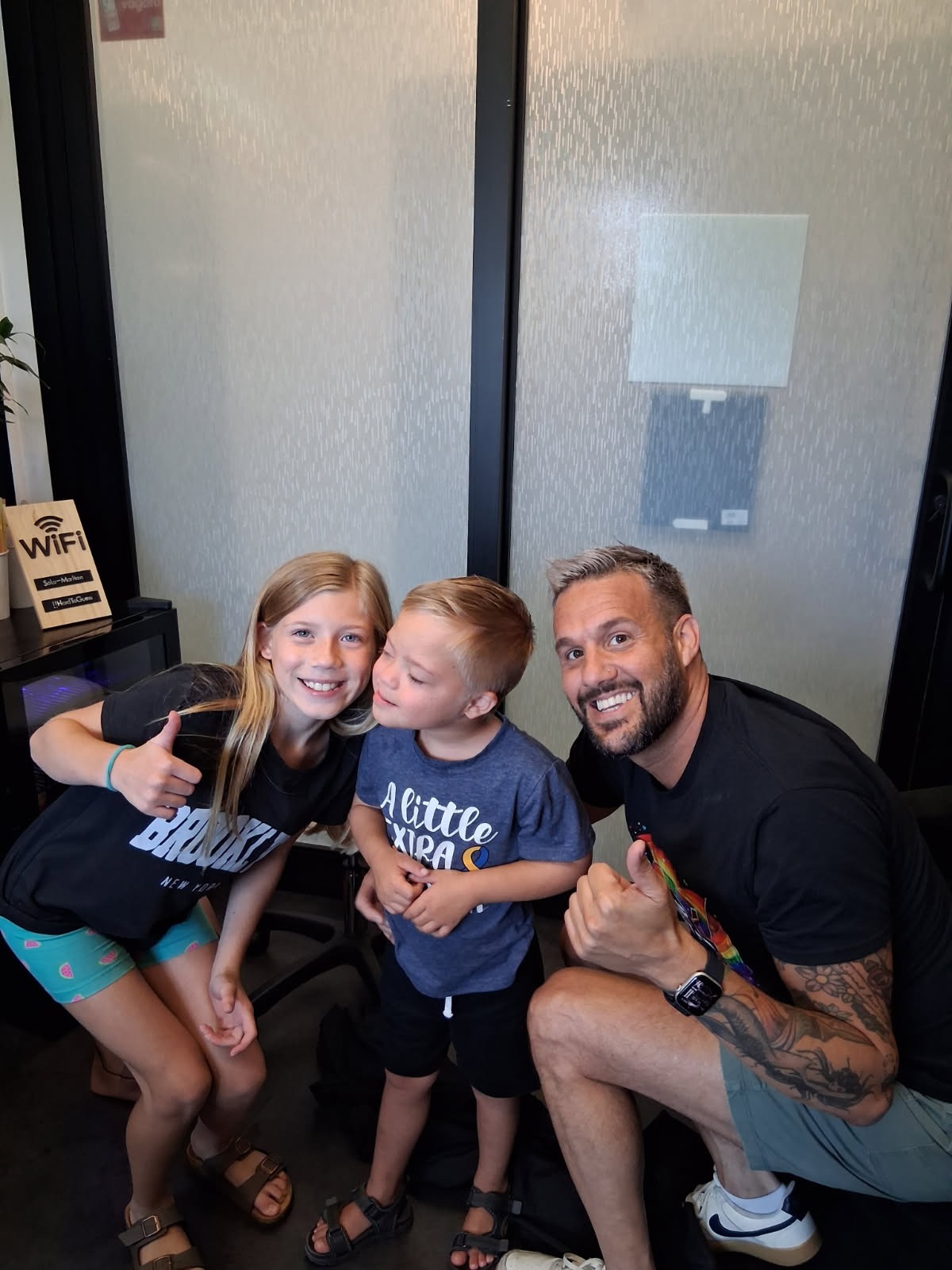
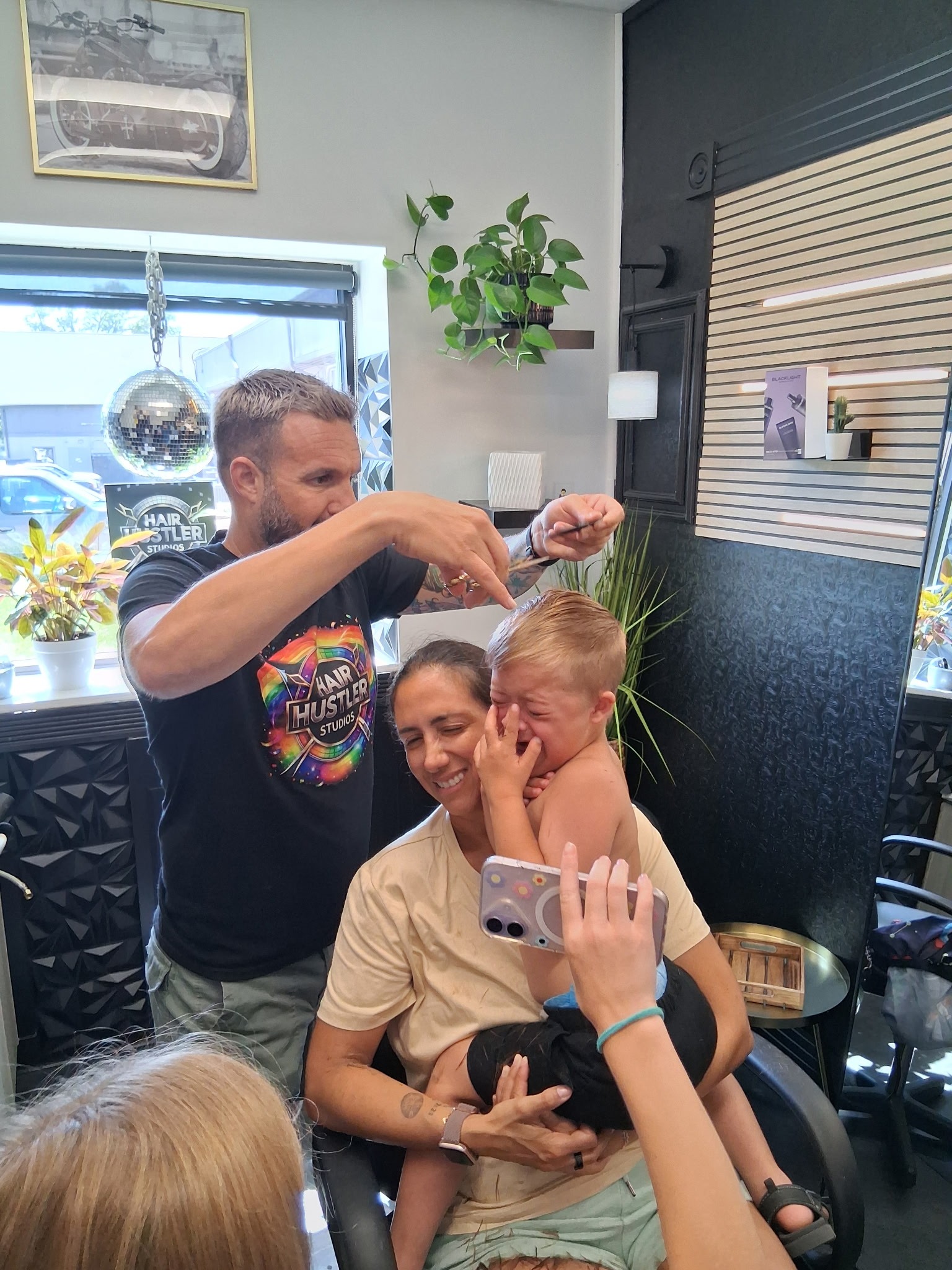
Sometimes it's about finding the person who understands. The person who will take a little more time. The person who doesn't judge. The person who creates a place where a child, teenager, or adult who has struggled elsewhere can finally feel comfortable.
That's more than customer service. It's dignity.
A Challenge to the Beauty Community
Brian Lopez has shown what one beautyPro can do — and what a decade of consistent, intentional work can build.
We would love his example to inspire thousands more.
If you're the parent or caregiver of someone with sensory needs, ask beautyPros about their environment before making an appointment. Tell them what helps. Sometimes a professional may be more willing to adapt than you expect.
And if you're already a beautyPro quietly doing this work in your own community, we want to hear your story.
Because beauty should never depend on someone's ability to tolerate an environment that wasn't designed with them in mind.
Sometimes making someone feel beautiful begins much earlier than the haircut.
It begins by making them feel welcome.